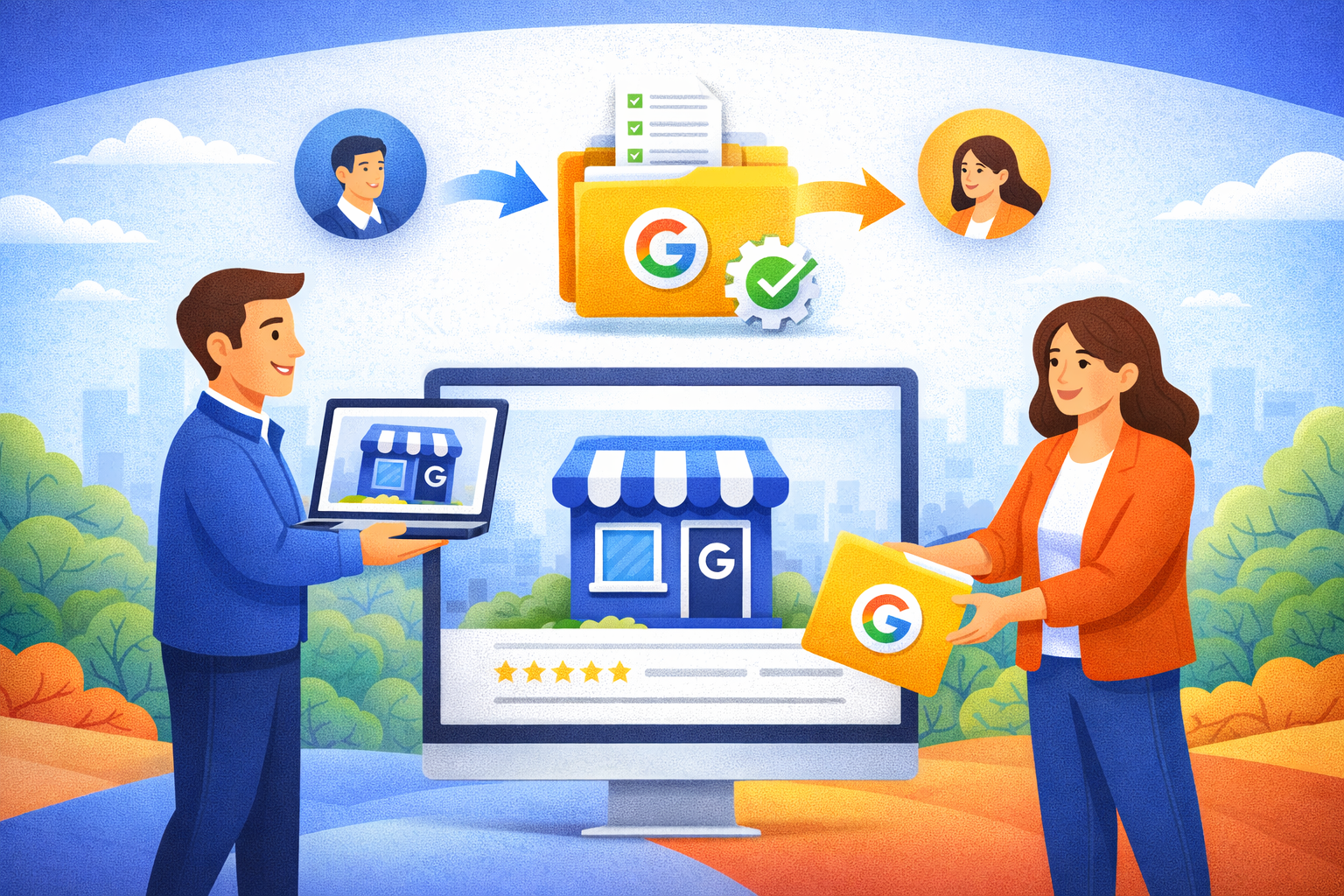
How to Verify Your Google Business Profile in the United States
Understanding Google Business Profile Verification in the U.S.
What Google Business Profile Verification Actually Does
Verification is **Google’s way of confirming that a real, authorized representative controls a business listing. It ensures the business exists, operates as described, and is managed by someone with legitimate authority.
Without verification, your profile may not appear publicly, advanced features like posts, messaging, reviews, and insights remain locked, and you have limited control over edits or user-suggested changes.
Verification protects both businesses and consumers by reducing misinformation, spam listings, and fraudulent competitors. It does not guarantee high rankings, but it is a mandatory prerequisite for any local SEO success.
In the United States, verification impacts eligibility to appear in Google Search and Maps, participation in the local map pack, and frequency of appearance for relevant local keyword searches. Verification is usually a one-time process per location, though re-verification may be required if key business details change.
Key Benefits of Having a Verified Profile
A verified Google Business Profile gives U.S. businesses full control over how they appear online. Business owners can edit details, respond to reviews, upload photos and videos, publish updates and offers, and access performance insights.
From a marketing standpoint, verification supports higher local visibility, increased trust and credibility, more calls and website visits, stronger foot traffic, and improved conversion rates. For small and local businesses competing in crowded U.S. markets, a complete and verified profile often becomes the deciding factor for customers choosing between similar providers.
Eligibility Requirements for U.S. Businesses
To qualify for a Google Business Profile in the U.S., a business must make in-person contact with customers, operate during stated business hours, and represent a real, ongoing operation.
Eligible business models include brick-and-mortar storefronts, service-area businesses, and hybrid businesses that combine a physical location with off-site services. Purely online or virtual-only businesses are not eligible.
Businesses must also have a real physical address, even if hidden publicly, a valid phone number, a clear business name and category, and ideally a website. Virtual offices, mailbox rentals, and unstaffed coworking spaces generally do not qualify under U.S. guidelines.
Verification Methods Available in the U.S.
Google determines which verification methods are offered based on trust signals, business category, and account history. Common U.S. verification options include postcard by mail, phone or SMS, email, video recording, live video call, and bulk verification for businesses with ten or more locations.
Postcard verification is slower but widely available, while video methods are faster but require preparation. Not all businesses will see every option.
Common Reasons Verification Is Required or Re-Required
Verification may be required when creating a new listing, claiming a listing from a previous owner, changing the business name, category, or address, or when suspicious activity or policy violations are detected. Long periods of inactivity can also trigger re-verification.
Businesses relocating or rebranding in the U.S. should plan carefully, as re-verification can temporarily reduce visibility.
Preparing Your Business for a Smooth Verification
Confirming Your Business Name, Address, and Phone Number
Consistent business information is critical. Your name, address, and phone number should match across your website, directories, signage, and official documents. U.S. addresses should follow USPS formatting, including suite numbers. Avoid P.O. boxes, mailbox rentals, and tracking-only phone numbers.
Gathering Supporting Documentation
Although not always required, it helps to have business licenses, utility bills, lease agreements, tax documents, or photos of permanent signage available. Any documentation submitted must match the information on your profile exactly.
Optimizing Your Google Account
Use a long-term Google account associated with the business, not a temporary or personal account. Enable two-factor authentication and assign roles carefully so ownership remains with the business.
Reviewing Google’s Guidelines
Many U.S. businesses fail verification due to keyword-stuffed names, misleading categories, or duplicate listings. Reviewing guidelines in advance prevents delays and suspensions.
Creating or Claiming Your Google Business Profile
When creating a new profile, enter your business name, primary category, address or service area, phone number, and website if available. Accuracy matters, as future changes may trigger re-verification.
If a listing already exists, search for your business on Google Maps and select “Claim this business.” Follow the prompts to request ownership and complete verification.
If a former owner or agency controls the listing, request ownership access. If the request is ignored, Google may allow independent verification after a waiting period.
Avoid duplicate listings. Each physical location should have only one primary profile.
Phone and SMS Verification
Phone verification is available for some businesses with strong trust signals. The phone number must connect directly to the business and match online citations.
Google provides an automated call or text with a verification code. Ensure calls are answered, spam filters are disabled, and call forwarding does not interfere. VoIP and call-tracking numbers may cause issues.
Email Verification
Email verification is offered selectively and often requires a domain-based email address. Google sends a link or code that must be acted on quickly. Check spam folders and secure the email account with strong passwords and two-factor authentication.
Video and Live Video Call Verification
Video verification confirms physical presence, signage, and operations. Businesses may need to record or participate in a live video call showing exterior signage, entrance access, interior workspace, and tools or equipment.
Videos must be continuous and unedited. Blurry footage, missing signage, or mismatched details are common reasons for rejection.
Bulk Verification for Multi-Location Businesses
Businesses with ten or more locations using the same name and category may qualify for bulk verification. This process requires creating a business group, submitting a list of locations, and providing proof of ownership. Approval typically takes longer than single-location verification.
Service-Area and Home-Based Businesses
Service-area businesses can hide their address publicly but must verify a real location privately. Home-based businesses should verify at their residence, hide the address, and demonstrate legitimate operations during verification.
Creating multiple listings for different service areas is not allowed and may result in suspension.
After Verification: Optimizing Your Profile
Once verified, complete your profile by adding a business description, services or menu, attributes, booking links, and messaging if applicable. Upload high-quality photos and keep hours accurate, including holiday hours.
Review performance insights regularly to track calls, clicks, and direction requests.
Handling Suspensions and Re-Verification
Suspensions may occur due to guideline violations, major edits, or user reports. If suspended, review guidelines carefully, gather supporting documentation, and submit a reinstatement request clearly and professionally.
Moving, rebranding, or changing ownership often triggers re-verification, so plan updates carefully.
Working With Agencies and Third Parties
Grant agencies access using role-based permissions rather than sharing passwords. Maintain ownership at all times. Avoid agencies promising instant or guaranteed verification, as no special methods exist.
When ending an agency relationship, revoke access immediately and confirm ownership.
Conclusion
Verifying a Google Business Profile in the United States is a foundational step for gaining visibility, trust, and control in local search. With multiple verification methods available, success depends on preparation, accuracy, and strict compliance with guidelines.
Verification is not the end goal—it is the starting point. Ongoing optimization, engagement, and compliance turn a verified profile into a long-term local growth asset.
FAQs
How long does verification take in the U.S.?
Verification can be instant with phone or email methods, or take 1-2 weeks or longer with video review.
Can a home-based business be verified?
Yes. The address can be hidden publicly while still verifying privately.
What if verification keeps failing?
Correct inconsistencies, review guidelines, and gather documentation before retrying.
Is re-verification required after moving or rebranding?
Yes. Major changes often trigger re-verification.
Is it safe to let an agency handle verification?
Yes, as long as you retain ownership and they follow official processes.