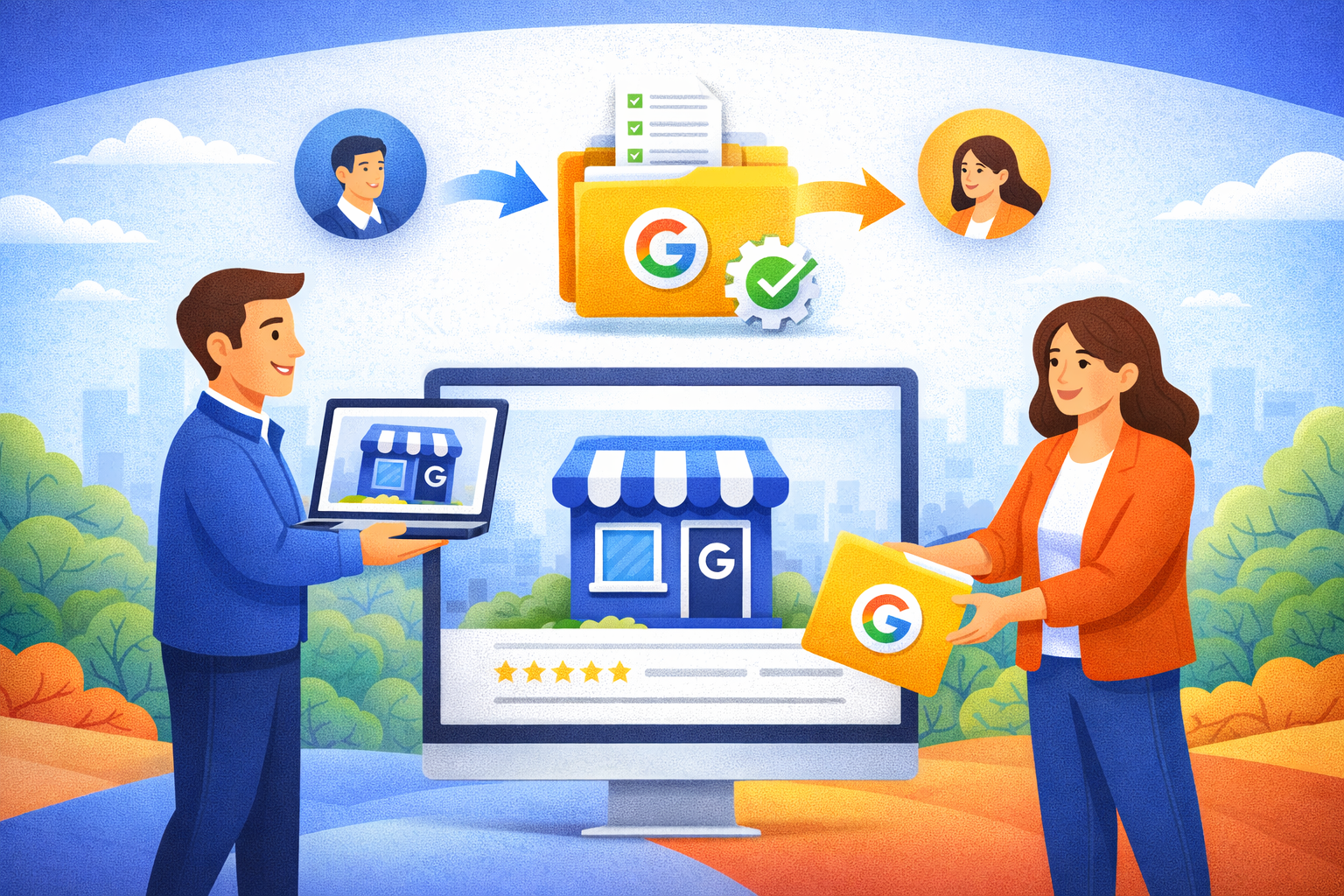
How to Integrate Google Business Profile Optimization into Your US Local SEO Strategy
Understanding the Role of Google Business Profile in US Local SEO
What Is Google Business Profile and Why It Matters for Local SEO
Google Business Profile (GBP), formerly known as Google My Business, is Google’s primary platform for managing how a business appears in local search results. A well-optimized GBP listing can surface your business in the Local Pack, Google Maps, and branded searches—often before users ever visit your website.
For US consumers, especially on mobile, GBP is frequently the first point of contact. It enables quick actions like calling, getting directions, booking appointments, or viewing hours. From Google’s perspective, GBP feeds essential local SEO signals such as relevance, distance, and prominence, making it a critical driver of visibility in local map results and voice searches.
How Google Business Profile Fits into a Broader Local SEO Strategy
GBP is not a standalone tactic—it’s one pillar of a holistic local SEO strategy that also includes on-page optimization, citations, reviews, and localized content. Optimizing GBP in isolation limits its impact. Its real strength comes when it aligns seamlessly with your website, local landing pages, and third-party directories.
When GBP data mirrors your website’s NAP details, services, and geographic focus, Google receives consistent signals that reinforce trust and relevance. Strategic integration also means using GBP intentionally for local keywords, service areas, and customer engagement—rather than treating it as a “set-it-and-forget-it” listing.
Key Differences Between GBP and Traditional Organic SEO
Ranking in Google’s Local Pack and Maps differs from traditional organic SEO. While backlinks and content still matter, local rankings place heavier emphasis on proximity, business categories, reviews, and profile completeness.
GBP optimization complements classic SEO by focusing on location-based intent and user behavior. Engagement signals, accurate business information, and consistency across the local ecosystem all play a larger role, making GBP an essential extension—not a replacement—of traditional SEO efforts.
Laying the Foundation: Claiming and Verifying Your Google Business Profile
Claiming or Creating Your GBP Listing
The first step is checking whether your business already has a GBP listing by searching your business name in Google Maps. If one exists, you can request ownership. If not, you can create a new profile by entering accurate business information and selecting the correct primary category.
Common challenges include duplicate listings, outdated ownership, or incorrect categories. These issues should be resolved early by requesting access, suggesting edits, or contacting Google support to prevent long-term visibility problems.
Verification Methods and Best Practices
US businesses may verify via postcard, phone, email, video verification, or instant verification (in limited cases). Postcard verification remains the most common and typically takes 5–14 days.
During verification, avoid making major profile changes. Ensure your address is accurate and clearly visible at the physical location. If verification fails, request a new code or escalate through Google support with proper documentation.
Multi-Location and Service-Area Businesses
Multi-location businesses should create separate GBP listings for each physical location and manage them under location groups. Each listing must have unique NAP details and localized content.
Service-area businesses should hide their physical address when appropriate and define realistic service areas. Overstating coverage can damage trust and violate Google’s guidelines.
Optimizing Core Business Information for Local Visibility
Perfecting NAP Consistency
Consistent Name, Address, and Phone (NAP) information across GBP, your website, and major US directories is foundational. Inconsistencies confuse users and weaken Google’s trust in your data.
Choose a standard format for your business name and address, decide on local vs. toll-free numbers, and audit top citation sources to ensure alignment.
Selecting the Right Categories
Your primary category is one of the strongest ranking signals for GBP. It should reflect your core offering as accurately as possible (e.g., “Personal Injury Attorney” vs. “Law Firm”).
Secondary categories can support additional services, but they should not dilute relevance. Research top competitors in your market to understand category opportunities and gaps.
Writing an SEO-Friendly Business Description
Your business description should clearly explain what you do, who you serve, and where you operate—using natural language that resonates with US searchers. Avoid keyword stuffing.
Include primary services and geographic references where appropriate, focusing on benefits, credibility, and differentiation rather than promotional fluff.
Attributes, Hours, and Special Hours
Attributes such as accessibility features, ownership identifiers, or service options help customers self-qualify and can influence visibility for filtered searches.
Accurate hours—including holidays and special events—are essential. Incorrect hours often lead directly to negative reviews and lost trust.
Using Website Links and UTMs Strategically
Add relevant website and action links (appointments, menus, reservations) that point to location-specific landing pages. Use UTM parameters to track GBP traffic separately in Google Analytics, especially for multi-location US businesses.
Aligning Your Website with Your Google Business Profile
Creating Location-Specific Landing Pages
Each GBP location should be supported by a unique landing page that matches its NAP, categories, and services. These pages should include localized copy, maps, testimonials, photos, and structured data.
Avoid thin or duplicate content by adding neighborhood references, landmarks, and location-specific offers or FAQs.
Reinforcing Local Signals On-Page
Title tags, H1s, meta descriptions, internal links, and image alt text should reinforce the same local keywords and services highlighted in GBP. Consistency strengthens relevance signals.
Implementing LocalBusiness Schema
LocalBusiness schema helps search engines clearly understand your business details. Ensure schema data exactly matches GBP information to reinforce accuracy and trust.
Leveraging Photos, Videos, and Reviews for Engagement
Photos and Videos That Build Trust
Upload high-quality photos of your exterior, interior, staff, services, and products. US customers rely heavily on visuals to assess legitimacy and experience.
Short, authentic videos—such as service walkthroughs or staff introductions—are especially effective for service-based businesses.
Turning Reviews into a Local SEO Asset
Reviews influence both rankings and conversions. Review quantity, recency, and responses all contribute to prominence.
Build a compliant review generation system using email or SMS follow-ups, and respond to all reviews professionally. Reviews also provide keyword-rich language you can leverage in content planning.
Leveraging Photos, Videos, and Reviews for Engagement
Photos and Videos That Build Trust
Upload high-quality photos of your exterior, interior, staff, services, and products. US customers rely heavily on visuals to assess legitimacy and experience.
Short, authentic videos—such as service walkthroughs or staff introductions—are especially effective for service-based businesses.
Turning Reviews into a Local SEO Asset
Reviews influence both rankings and conversions. Review quantity, recency, and responses all contribute to prominence.
Build a compliant review generation system using email or SMS follow-ups, and respond to all reviews professionally. Reviews also provide keyword-rich language you can leverage in content planning.
Using Google Posts, Messaging, and Q&A Strategically
Google Posts and Content Cadence
Google Posts help keep your profile fresh and engaging. Updates, offers, and events should align with seasonal campaigns, promotions, and local events.
Consistency matters more than frequency—weekly or bi-weekly posts are sufficient for most US businesses.
Messaging, Booking, and Q&A
Messaging enables direct contact from search results but requires fast responses. Booking links shorten the conversion path and improve user experience.
The Q&A section can proactively answer common questions, reduce friction, and pre-qualify leads when monitored and managed correctly.
Tracking Performance and Maintaining Momentum
Measuring Results with GBP Insights and Analytics
GBP Insights shows how users find and interact with your listing. Track discovery searches, actions, calls, and direction requests.
Use UTMs and Analytics to measure post-click behavior and conversions, focusing on lead quality—not just visibility.
Ongoing Optimization and Common Mistakes
Local SEO requires continuous attention. Monthly maintenance and quarterly audits help keep profiles accurate and competitive.
Common mistakes include keyword stuffing, ignoring reviews, incomplete profiles, and treating GBP as static. Ongoing optimization delivers compounding returns in competitive US markets.
Conclusion: Making GBP the Core of Your US Local SEO Strategy
Google Business Profile is the central hub of your local presence in Google’s ecosystem. When fully integrated with your website, reviews, content, and analytics, it becomes a powerful driver of visibility, trust, and conversions.
By treating GBP as a living asset—optimized, monitored, and aligned with broader marketing efforts—US businesses can capture more local demand, outperform competitors, and turn nearby searchers into loyal customers.
FAQs About Integrating Google Business Profile into Local SEO
How long does it take to see results from GBP optimization?
Early improvements may appear within weeks, but stable gains typically take several months, depending on competition and review velocity.
Do I need a physical address to use GBP?
No. Service-area businesses can use GBP without displaying an address, as long as they follow Google’s guidelines.
How many categories should I choose?
Select one highly relevant primary category and only a few secondary categories that reflect real services.
Can I manage multiple locations in one account?
Yes. GBP supports location groups and bulk management, making it easier to manage multi-location US businesses.